Conscious and Connected Breathwork
Holistic inner exploration through breathwork

Access the subconscious parts of the mind and body and reveal new pathways towards healing, inspiration, and clarity using the power of your own breath. This rhythmic and activating breathing experience can open the door to profound insights, deep emotional release, and states of expanded awareness.
What is Conscious Connected Breathwork?
Conscious Connected Breathwork (CCB) involves using intentional breathing practices to allow you to enter an altered state of consciousness. Breathwork is known to support mental, physical, and spiritual vitality, promoting personal growth and well-being.
CCB s a type of high ventilation breathing led by a trained facilitator in either 1:1 or group environments. This intentional breathing practice has the effect of slowing down the mind — the “thinking brain” — or neocortex, and enables our awareness to be more on what we call the “emotional brain”, or the limbic system.
tap into deep unfelt or forgotten feelings
process and integrate trauma
increase emotion regulation
feel more empowered
move into states of altered consciousness
relieve anxiety, depression, PTSD and physical pain
and more
Although the term “breathwork” became popular in the 1970s, similar healing techniques have been used across cultures for thousands of years. This connection between the breath, mind, body and spirit was understood throughout time and rediscovered more recently in the Western world where therapies involving breathwork are becoming more practiced and appreciated today.
-
The origins of breathwork are ancient and ubiquitous. Cultures all over the world have infused breathing practices into their spiritual, physical, birthing, and rites of passage practices, beyond what has been captured or recorded by the official texts of our time. Pranayama in Indian Yogic tradition, Shamanism, breath-led meditations in Buddhism, Taoism, Sufism, Christianity, and martial arts are recorded examples of ancient uses of breathwork. There are denotations of breath and breathwork practices in most major religious texts. Humans have tapped into the power of breath for millenia.
In recent history, breathwork had a resurgence in the Western world in the 1960s and 70s, partially as clap-back to restriction on and legal repercussion to psychedelic research and the use of psychedelics in therapeutic settings. Stanislav Grof and Leonard Orr led the first (of their era) experiments and clinical trials of breathwork, eventually developing what is known as Rebirthing Breathwork and Holotropic Breathwork (respectively). Both of these researchers were interested in accessing altered states of consciousness to explore the healing potential within the inner and subconscious landscapes of our being without the use of substances or drugs. Various techniques, schools of thought, and practices of breathwork were born and inspired from this reemergence.
-
Breathwork is a therapeutic tool that uses purposely altered breathing patterns to improve mental, physical, and spiritual well-being. There are many forms and types of breathwork that essentially are various techniques that lead down a similar path towards breakthrough and inner healing. The type of breathwork I offer is called Conscious Connected Breathwork.
Conscious Connected Breathwork (or CCB) is most easily broken down into four parts:
1. Wide open-mouthed breaths
2. Full body breaths into every part of the body
3. Keeping breath connected. No pauses at the top or bottom of breaths (breaths become connected -- like a wave, or a wheel, of continuous breath).
4. Inhales are active and powerful (pull), and exhales are passive and effortless (release)
Every CCB guided session will include a thorough introduction and explanation of the breathing practice.
-
Breathwork has the potential to create the access to and processing of emotions and trauma that are held within the body and subconscious mind. By breathing in a specific way, you stimulate the autonomic nervous system, possibly releasing stored emotions and memories. It is common for people who practice breathwork to report profound emotional releases, often revisiting and confronting past traumas in a new light, and gaining a new or shifted perspective on old wounds that can substantially help in the healing, reframe, and integration process of trauma. Because of the potential for traumas to be revealed or revisited, it is possible for the nervous system to become overwhelmed by the experience. The sessions are held in a safe and controlled environment, and guided by a certified breathwork practitioner. You will be taught and coached on how to self-modulate and slow down and “put the brakes” on your experience. While there are safety mechanisms in place, it is important to arrive to a breathwork practice informed of the potentials of this work.
Support outside of the breathwork session is highly recommended, especially when working with complex trauma. This work is complementary with talk therapy, somatic therapy, or other holistic and conventional mental health therapies.
My approach to this work is trauma focused. I hold certification in Integrative Somatic Trauma Therapy, and hold years of experience in trauma focused and informed bodywork modalities.
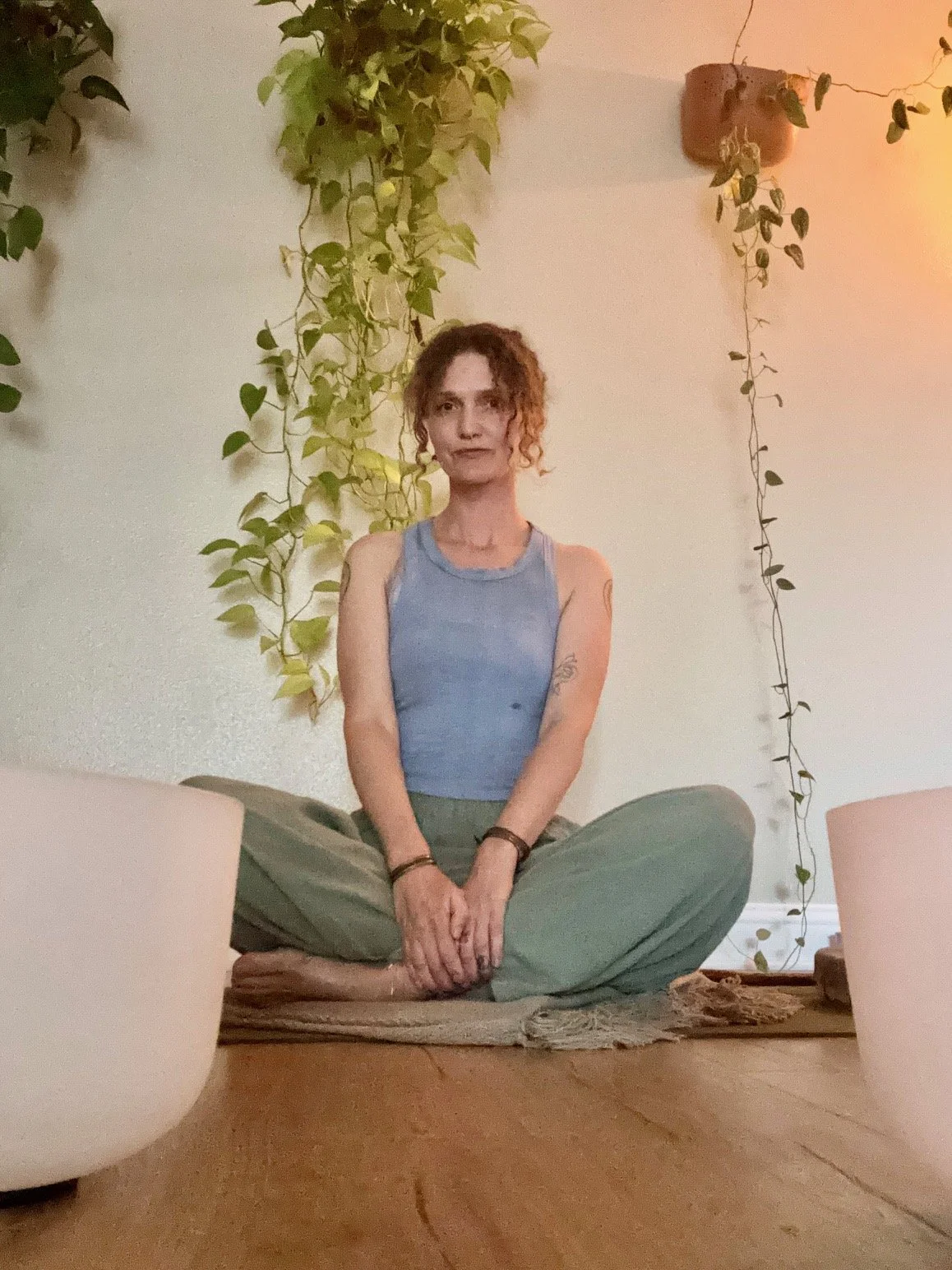

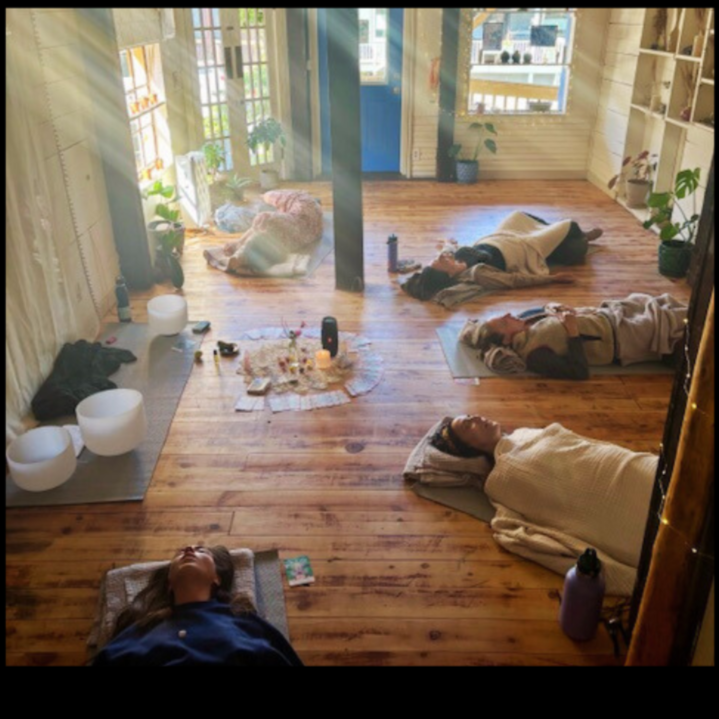

Breathwork Services

A private session offers a deeply personalized experience. Tailored to your individual and emotional landscape, nervous system, personal capacity, and current path. 1:1 sessions include functional breathing assessment and skill building, nervous system support, meditation practices, bodywork, as well as CCB journeys.

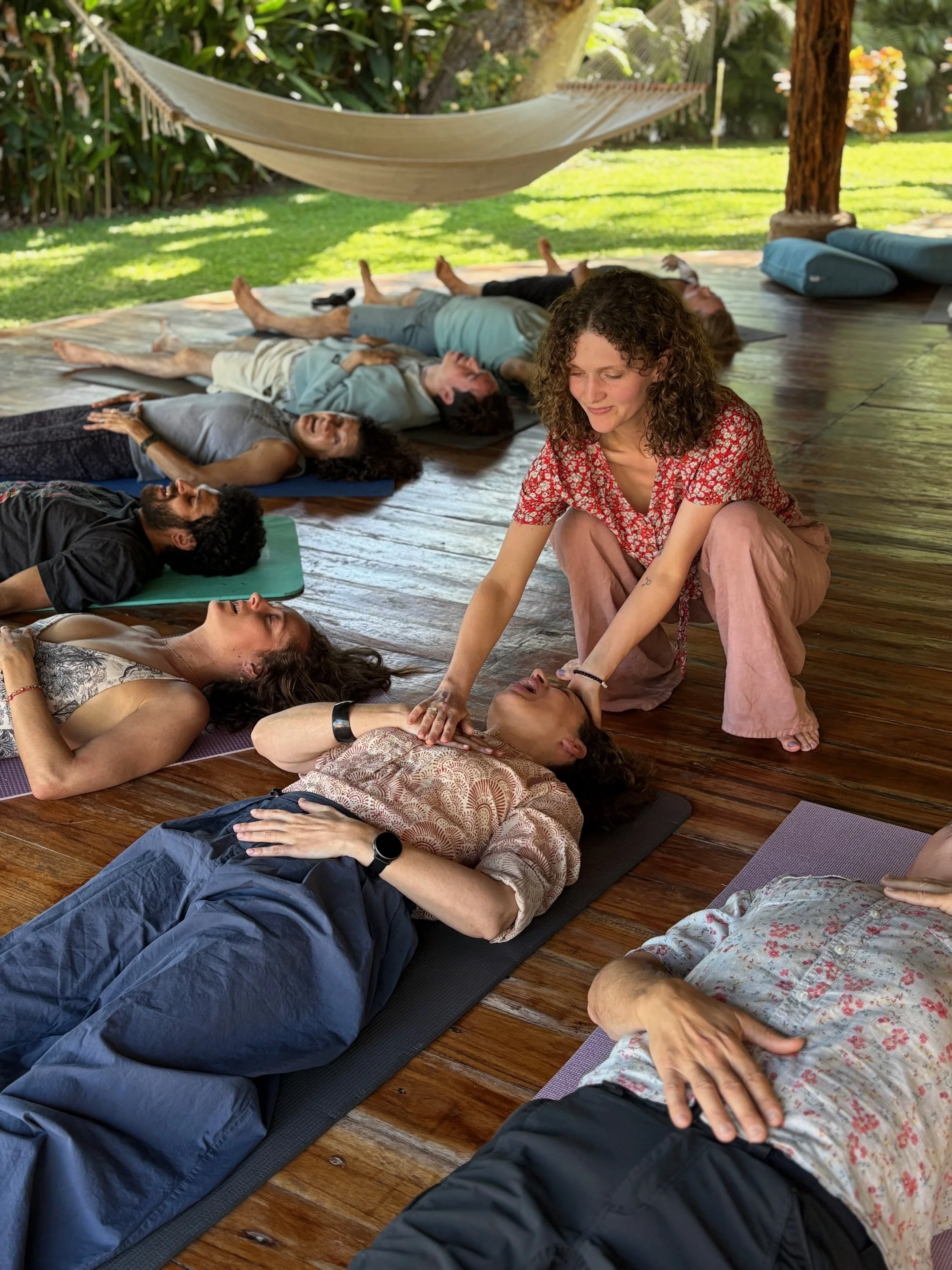
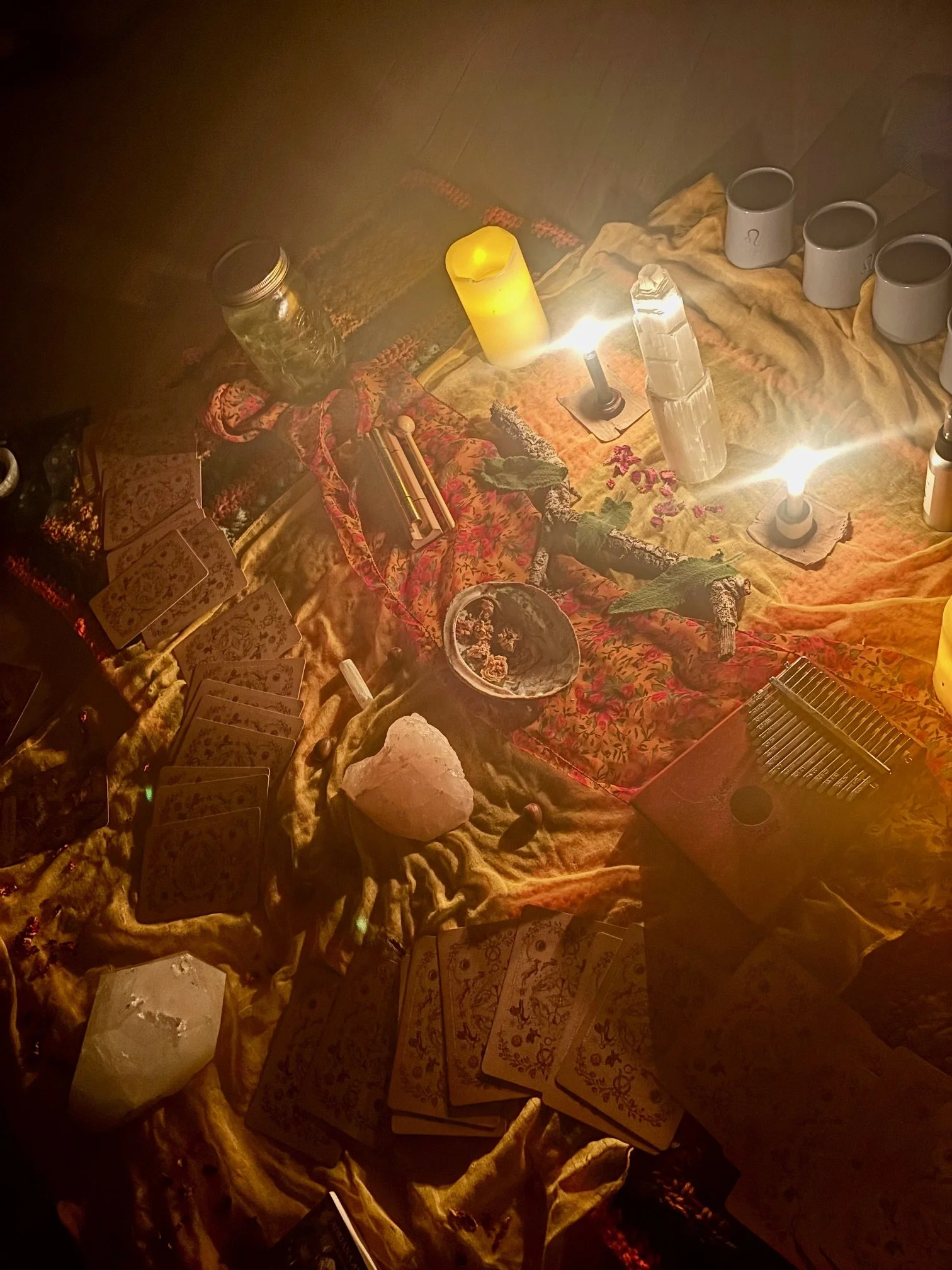
Community breathwork ceremonies are powerful ways to connect with yourself and one another, and to promote personal growth, emotional release, and creative breakthrough.
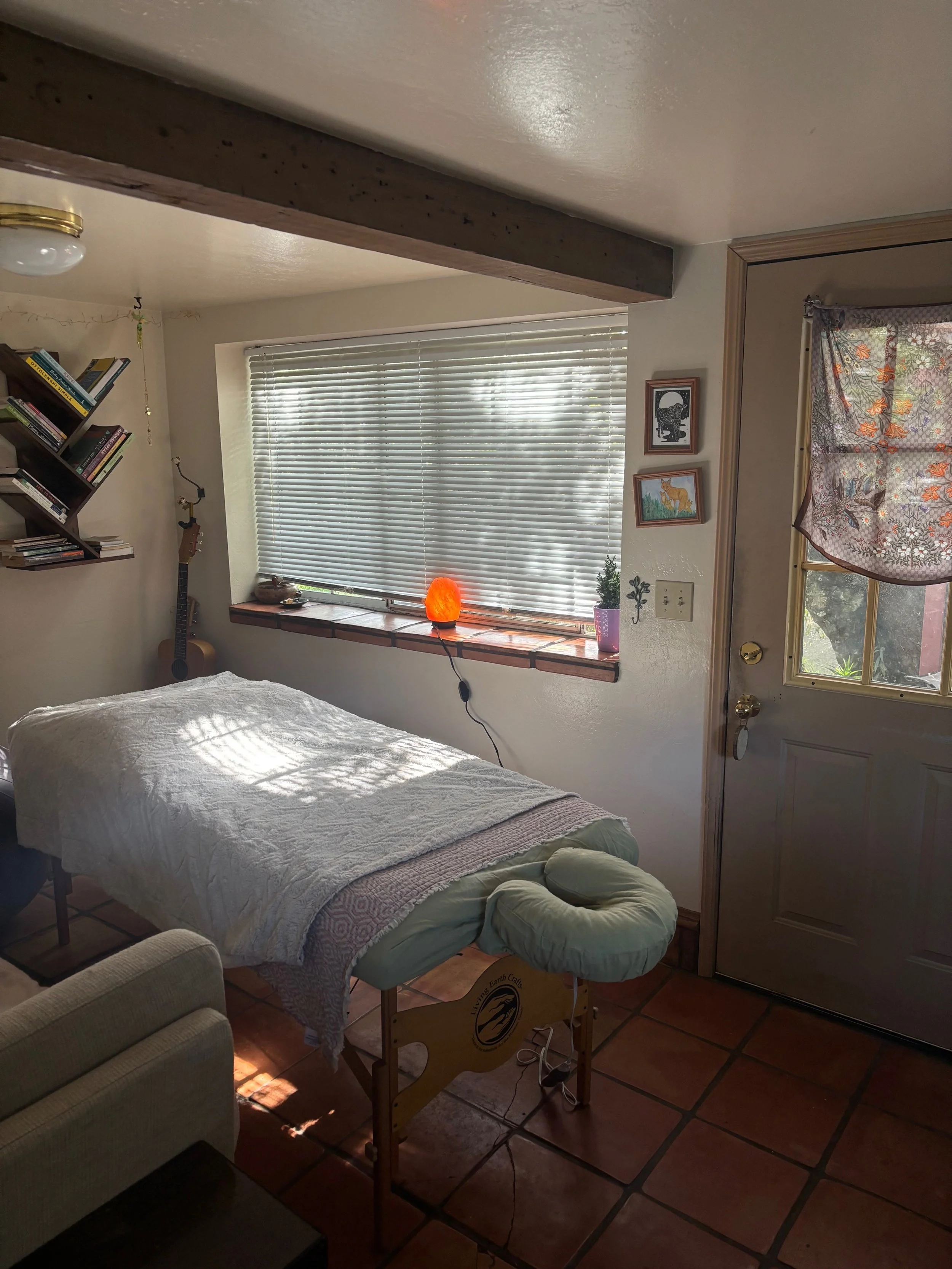
Virtual individual 1:1 breathwork sessions are held via Zoom and take place in the comfort of your own space.
Working with our breath provides a direct link to the subconscious and somatic layers in our minds and bodies in order to create more harmony, freedom, and resiliency within our lives.
Testimonials

Frequently Asked Questions
FAQ page coming soon…for now reach out directly with any inquiries!
-
You can reach us anytime via our contact page or email.